It is common to look at an old photo or put on a familiar pair of trousers and wonder why the same body shape seems different. The short answer is that bodies, posture, clothing and visual context all change. A style label can be a useful snapshot, but it is not a promise that proportions or fit will remain identical forever.
Separate shape from day-to-day appearance
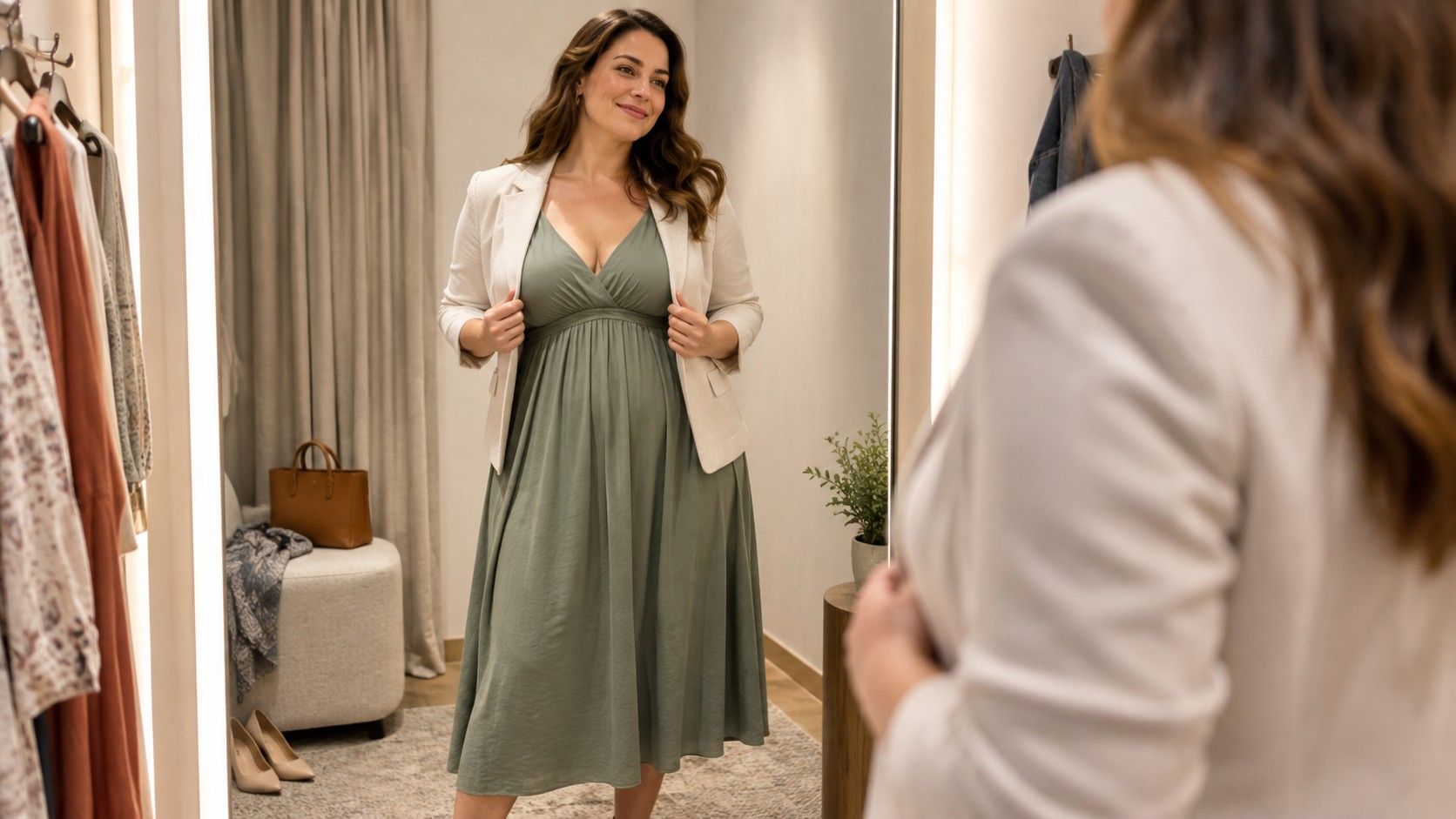
Body shape describes relative proportions, while day-to-day appearance is influenced by many small variables. A different bra, a high-rise waistband, a thick knit or a structured jacket can change where the eye reads the waist and shoulders. The mirror also changes: lighting from above, a phone camera held too low and a tired posture can make an ordinary outfit look unfamiliar.
Before deciding that something major has happened, compare like with like. Wear similar underwear, stand naturally and use the same measuring method. A single fitting-room moment is not enough evidence. Often the answer to “why does my body shape look different?” is that the garment has changed the outline more than the body has.
Why measurements may shift
Measurements are snapshots rather than permanent facts. Weight fluctuation, changes in activity, age, hormonal cycles, recovery after pregnancy and ordinary changes in muscle can affect where a tape measure lands. This is normal variation, not a scorecard. The numbers are useful only if they help you choose garments with enough comfort and ease.
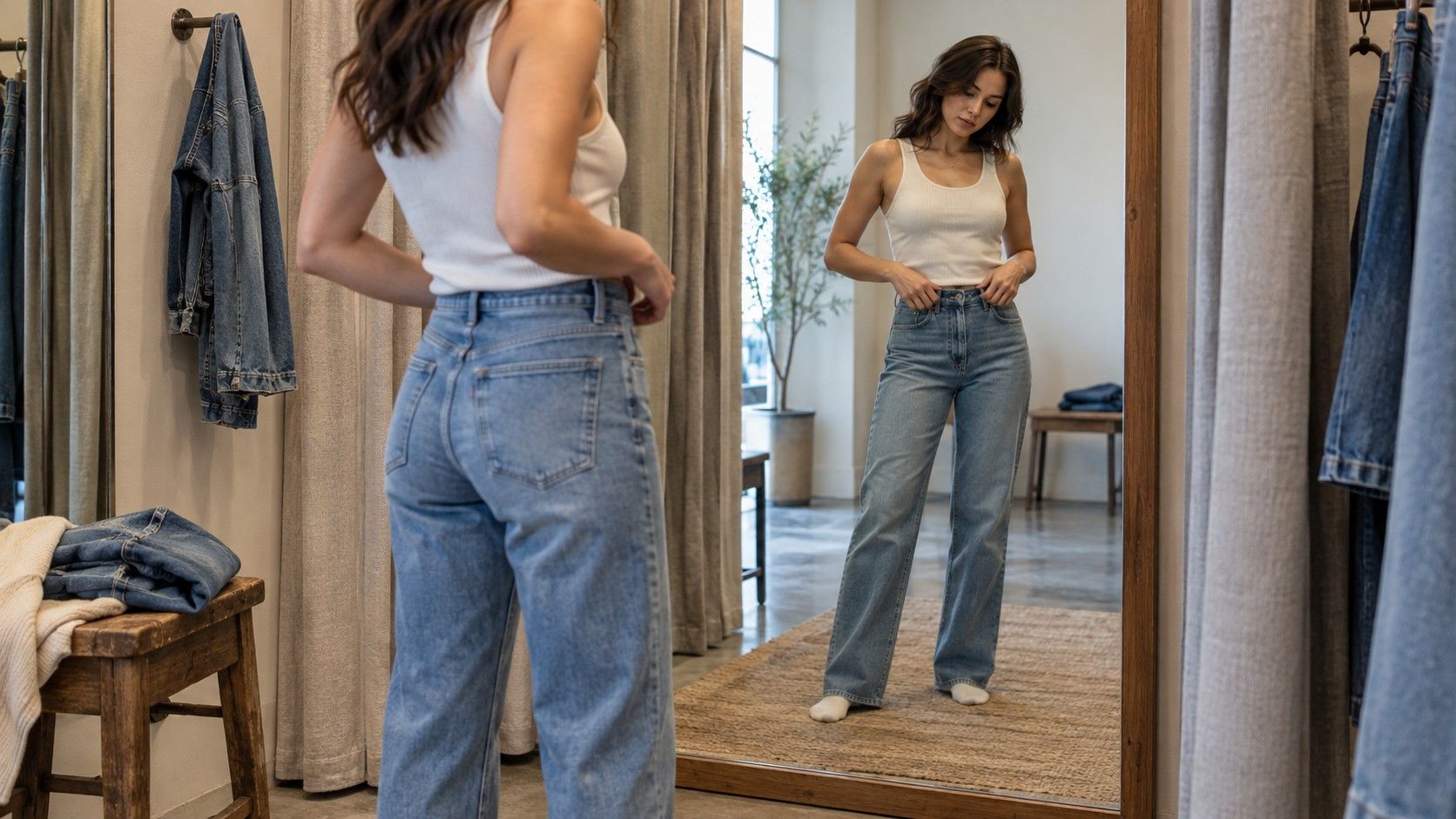
Measure at most every few months if you are using the information for clothing. Use a soft tape, keep it level, breathe normally and write down bust, natural waist and full hip. Do not pull the tape tight to force a preferred result. For a pair of trousers, the waistband and rise matter just as much as a hip measurement, so take notes on real garments too.
| What can change the picture | What you may notice | Helpful response |
|---|---|---|
| Fabric and construction | One cut clings or stands away from the body | Compare fibre, stretch and lining before changing size |
| Posture | Waist and shoulder line look different in photos | Check an outfit while walking and sitting |
| Weight fluctuation | Waistband or sleeve ease changes | Prioritise comfort and a flexible fit |
| Life stage | Old proportions or preferences no longer feel current | Update a few reliable pieces first |
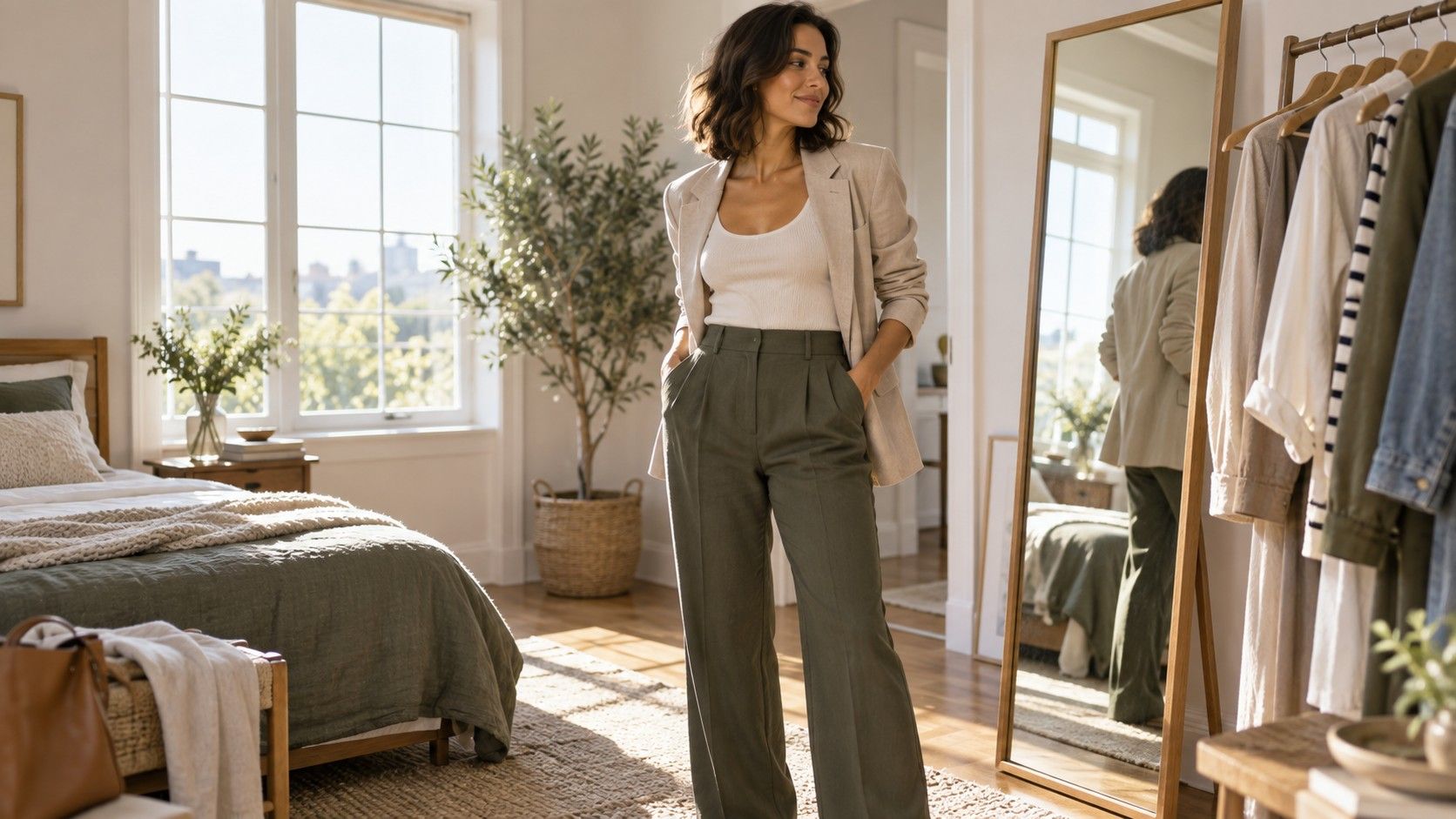
| Styling choices | Layering creates a new silhouette | Judge the outfit, not the label |
Posture, fabric and fit can alter the picture
Posture is particularly powerful because it changes how clothes hang. A jacket can pull at the upper back when you round forward; a dress can look longer or shorter when you shift your weight to one hip. This is not a command to stand rigidly. It is a reason to test clothes in the positions your day actually requires.
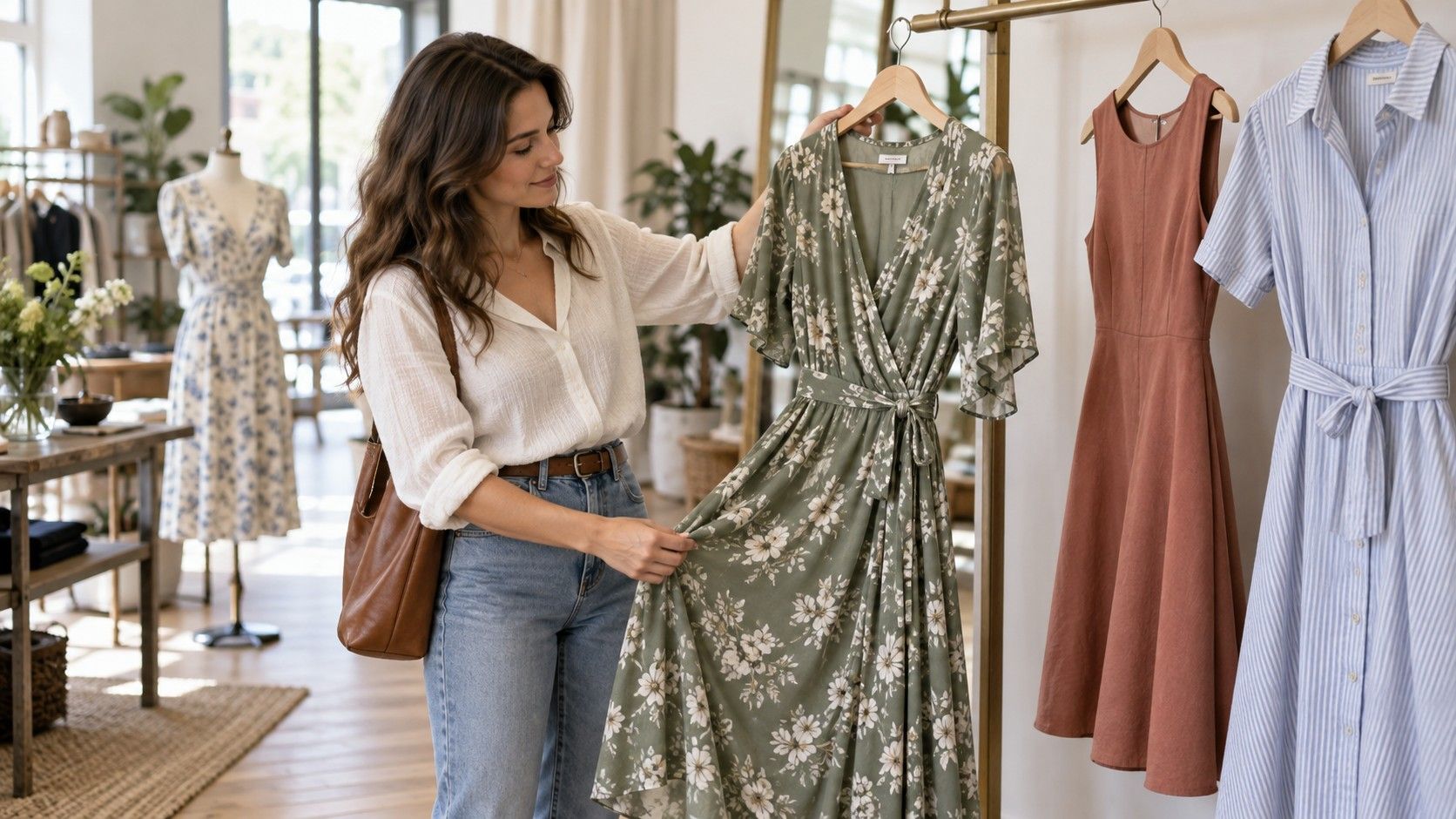
Fabric carries its own geometry. Crisp cotton holds a line, rib knit follows curves, and a heavy drape creates a long vertical fall. Two tops in the same size can therefore make body shape changes seem dramatic. When an item feels wrong, inspect its shoulder placement, waist seam, stretch and hem before blaming your proportions.
Update your wardrobe without starting over
A changing fit does not require a total wardrobe replacement. Begin with the pieces that interrupt your day: trousers you repeatedly unbutton, bras that no longer support comfortably, or jackets you avoid because the sleeves pull. Replace or alter those first. A simple hemming adjustment, a different rise or a softer waistband can bring several outfits back into circulation.
Keep a small bridge collection while your preferences are changing: one flexible trouser, a skirt with an adjustable waist, comfortable base layers and an outer layer with room for a knit. Avoid buying multiples in a rush because one style happened to work in a difficult week. Wear a test item at home, wash it once and see whether it continues to feel good.
When a new measurement is useful
Take new measurements when you are buying tailored clothing, replacing staples, or repeatedly finding that your previous size notes are inaccurate. It can also help before booking alterations, because a tailor can see whether the issue is length, ease or balance. Bring the shoes and underlayers you expect to wear; they change the final result.
There is no need to measure constantly. If your clothes are comfortable and you like the way you look, the label can stay in the background. If a familiar silhouette suddenly feels off, use measurements and a few calm outfit tests as practical information. Your wardrobe should respond to your current body, not ask your body to return to an old one.
Use old clothes as information, not a deadline
An old favourite can be useful evidence. Put it on and identify the exact problem: does the waistband feel restrictive, does the shoulder seam sit differently, has the fabric lost recovery, or has your taste simply changed? A garment can stop working because it is worn out, not because your body is wrong. Elastic, lining and denim all change with washing and wear.
Keep only the older pieces that feel good enough to wear now or that have a realistic alteration path. Store sentimental clothes separately if you do not want to decide immediately. This takes the emotional pressure out of a crowded rail and makes space for a few current staples that fit your life.
When change feels sudden or worrying for reasons beyond clothing fit, a style guide is not the right place for an answer. Seek appropriate professional support. For everyday wardrobe questions, though, a fresh measurement, a forgiving layer and a little patience are often enough to make dressing feel manageable again.
A final fitting pass helps turn an idea into a dependable choice. Wear the combination for twenty minutes at home, sit down, walk upstairs and carry your usual bag. Notice the small details: a hem that catches, a sleeve that rides up, or a layer that feels warmer than expected. Then keep the adjustment that makes the outfit easier to wear, rather than the one that merely looks right for a moment.